Does a Fire Safety Device Really Save Lives? South African Fire Data Answers
In South Africa, fires move fast — especially in areas where homes are densely packed, electricity is unreliable, and escape routes are limited. Every year, fires in South Africa cause preventable loss of lives and property, and the numbers from fires in informal settlements remain some of the highest on the continent. As a team dedicated to independent fire-safety testing at FireExtinguisherReviews.com, we've seen firsthand how the right fire detection device can save lives, reduce the risk of fires, and protect property, even in challenging conditions.
We test real-world fire-safety products — including fire detectors, alarms, and fire suppression tools — because the importance of fire safety is greater than any single product. In this post, we look at what South African fire safety data tells us, why early detection matters, and how well-tested devices can save lives and protect the people we care about most.
Why Fire Safety Devices Matter in South Africa
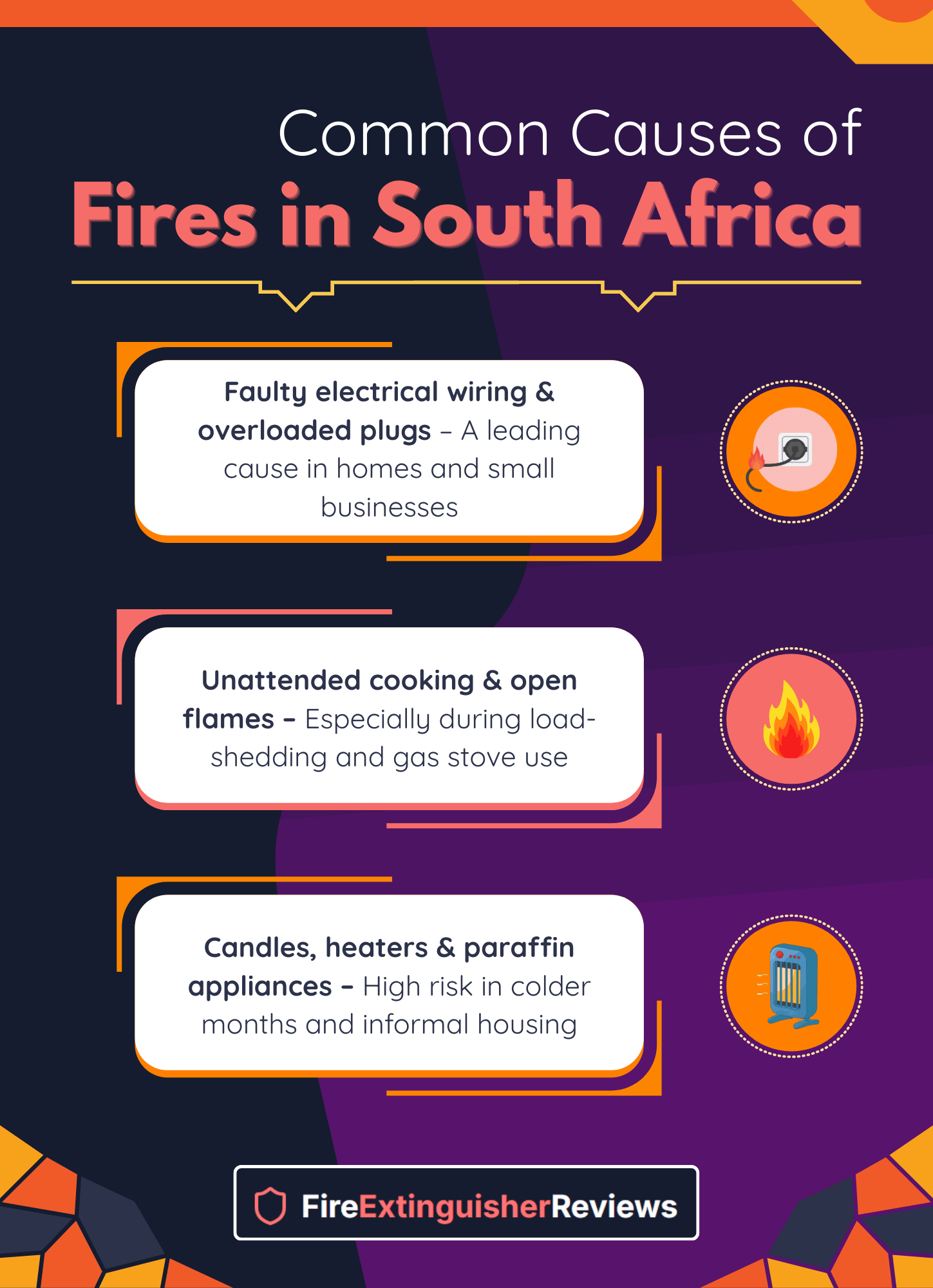
South Africa's unique fire landscape includes cities like Cape Town, large rural provinces, and fast-growing informal settlement areas. Fires in South Africa often start through electrical faults, candles, paraffin stoves, or lithium-ion battery failures. In many South African homes, a lack of proper detection systems or functional fire alarms leaves families vulnerable.
The impact of fires hits hardest in informal settlements in South Africa, where homes are closer together, building materials ignite faster, and the fire risk in informal settlements remains critically high. Here, early detection of home fires becomes the difference between an isolated fire incident and a devastating community-wide blaze.

The Data: Do Fire Safety Devices Save Lives?
According to multiple South African national fire reports and research conducted by the fire engineering research unit, the presence of functioning smoke detectors, photoelectric smoke alarms, heat detector devices, and other fire protection systems significantly reduces fatalities. A properly working fire alarm helps families detect smoke, wake up, and escape before fires spread.
Studies also show that fires in informal settlements grow twice as quickly due to limited airflow control, meaning that detecting a fire early is critical for escape.
A well-placed detector provides early warning, reduces the fire hazard, and supports the work of fire and rescue teams by slowing fire spread. Devices that extinguish fires or trigger a suppression system add another layer of protection.
In short: yes — fire safety devices absolutely save lives.
Our Commitment to Independent Testing
At FireExtinguisherReviews.com, we take our responsibility seriously. We don't accept sponsorships from manufacturers. Our tests are conducted using our own purchasing, our own standards, and our own real-fire simulations — including levels of fire involving lithium-ion batteries, paraffin ignition, and cooking flare-ups.
You can explore exactly how we do this on our How We Test page, where we detail our approach to fire, our high-quality fire detection methods, and the protocols we follow to keep results reliable.
South Africa's Unique Challenges with Fire Detection
There are many unique challenges when using fire detection devices in South Africa:
- •Smoke generated during cooking often triggers false alarms, especially in smaller homes.
- •Steam or smoke generated by boiling water can be misread by alarms not designed for these environments.
- •Nuisance alarms increased over time in older devices with clogged sensors.
- •Many alarms are designed for formal spaces, making them less suitable when used in informal dwellings.
- •Challenges associated with using alarms in small, smoky, or humid rooms complicate adoption.
- •Some communities lack resources for the installation of the alarms or regular maintenance.
Our tests also found that the best-performing alarms were those built for use in informal environments, where airflow, humidity, and temperature vary greatly. That's why we emphasize choosing devices that fit South Africa's real conditions, not those designed for distant markets.
Fire Detection and Response in Informal Settlements
Major South African stakeholders — including the alliance for disaster and risk, the Western Cape disaster management teams, and fire and rescue services — agree that risk reduction, fire detection and response, and disaster and risk reduction strategies must prioritize high-density areas.
In areas like an informal settlement in Cape Town or informal settlements and backyards across the country, the need for fire detection systems in South Africa is not optional — it's urgent.
Strategies include:
- ✓Promoting the use of smoke alarms
- ✓Rolling out smoke alarms in informal settlements
- ✓Deploying alarms specifically built for smoke alarms in an informal setting
- ✓Introducing suppression system pilots
- ✓Training residents to keep alarms functioning optimally
These efforts align with South Africa's broader goals for fire protection and effective fire safety.
Why We Are the Best Fit for Fire Safety Guidance in South Africa
If you're searching for the best fire-safety guidance in South Africa, we believe our platform is the right partner because:
Top Reasons to Choose Us
- ✓Independent testing — no sponsored results, ever.
- ✓South Africa and internationally recognized methodology.
- ✓Real-world fire simulations, not lab-only theory.
- ✓Reviews are created to reduce the risk and help you protect lives and property.
- ✓Trusted by South Africans who want honest, practical safety recommendations.
Explore our guides for buying advice, comparisons, and safety tips:
Quick Comparison: Us vs Competitors
We're also listed on respected safety platforms, directories, and media features that highlight our trusted reputation in fire protection. Unlike competitors who rely on outdated testing methods, we continuously update our protocols to reflect the latest fire safety research and emergency response strategies.
Best Uses: Who Benefits Most from Fire Detection in South Africa?
Fire safety devices are essential for:
Families in South African homes
High-risk communities, such as any informal settlement
Homeowners are concerned about the risk of fires
Business owners implementing fire protection systems
Residents in the city of Cape Town and other hotspot regions
Anyone needing to detect a potential fire early
Whether you're protecting your home, workplace, or informal dwelling, the need for fire detection is universal — and the right device can truly save lives. For specific scenarios, explore our guides on vehicle fire safety and outdoor fire prevention.
Frequently Asked Questions
1. Why are smoke alarms so important in South Africa?
Because many fires in South Africa spread extremely fast, making early fire detection essential for escape and rescue. The combination of informal housing structures, electrical infrastructure challenges, and dense population areas means that fires can spread to neighboring homes within minutes.
2. Do alarms work in informal settlements?
Yes — but only if they're devices designed for alarms in an informal settlement environment and properly installed. Standard residential alarms may trigger false alarms due to cooking smoke and humidity, so purpose-built devices are crucial.
3. How do I avoid false alarms?
Choose alarms that are not easily triggered by steam or cooking smoke environments and follow maintenance instructions to keep alarms functioning optimally. Place detectors away from cooking areas but within hearing distance of sleeping areas. Learn more about kitchen fire safety equipment.
4. Which detector is best for South Africans?
We recommend photoelectric smoke alarms, tested under South African conditions. These are less prone to false alarms from cooking and are better at detecting smoldering fires, which are common in residential settings.
5. Do I need a fire suppression system at home?
For high fire-risk areas, an affordable fire suppression system or extinguisher setup can significantly improve fire detection technology and response efficiency. Even a simple aerosol fire extinguisher can make a life-saving difference.
Conclusion
Fire safety devices are not optional in South Africa — they're lifesaving tools that support the work of every fire department, reduce the risk of fires, and help communities recover faster. Whether in Cape Town, Johannesburg, Durban, or any informal settlement, reliable fire detection is one of the most powerful ways to achieve disaster risk reduction and genuine safety in South Africa.
As your partner in fire protection, we're here to guide South Africans with honest reviews, trusted insights, and science-backed recommendations. With the right devices, you're not just choosing products — you're choosing safety that can truly save lives and protect the people and places that matter most.
Ready to Protect Your Home?
Explore our independent reviews and comprehensive safety guides to find the best fire protection solutions for your needs.